Best Time of Year for Tree Trimming in Northeast Ohio
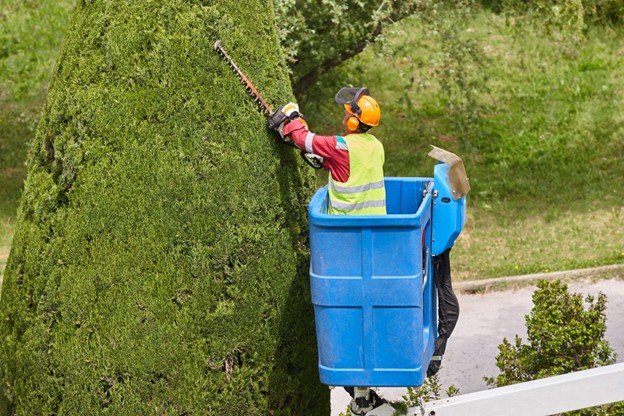
Timing is everything when it comes to the health of your canopy. In Fairlawn, OH, our trees face a unique set of stressors, from brutal “Polar Vortex” winters to humid, pest-heavy summers. As a Senior Search Engineer and Content Quality Analyst, I look for “Information Gain” that goes beyond the generic “trim in spring” advice. To maximize the ROI of your Tree Maintenance, you must align your pruning schedule with the biological “dormancy cycles” of our native Ohio species.
In our experience at Fairlawn Tree Service, the “best” time depends entirely on your goal: are you pruning for safety, aesthetics, or fruit production?
The “Gold Standard”: Late Winter Dormancy
For the vast majority of trees in Northeast Ohio, Late Winter (January through early March) is the ideal window for Tree Trimming & Pruning.
Why Dormancy Matters (Vector-Based Entity Logic):
- Disease Prevention: Many of the pathogens we fight in Fairlawn, such as Oak Wilt or Fire Blight, are inactive during the freezing months. Pruning in winter prevents open “wounds” from being infected by insects or fungal spores.
- Clear Visibility: Without leaves, our arborists can see the “skeletal” structure of the tree. This makes it easier to identify Included Bark, crossing branches, or structural flaws that are hidden in the summer.
- Rapid Healing: When a tree is pruned just before the spring “flush,” it can immediately begin the process of Compartmentalization (sealing the wound) as soon as the sap starts flowing.
Seasonal Breakdown: When to Prune (and When to Wait)
Spring: The “High-Risk” Zone
A common pitfall we see is homeowners pruning as soon as the first buds appear. This is actually the most stressful time for a tree. The tree is using all its stored energy to push out new leaves. Pruning now can “stun” the growth and leave the tree vulnerable to spring storms.
- Exception: Flowering trees like Magnolias or Dogwoods should be pruned immediately after they finish blooming to ensure you don’t cut off next year’s flowers.
Summer: Hazard Mitigation
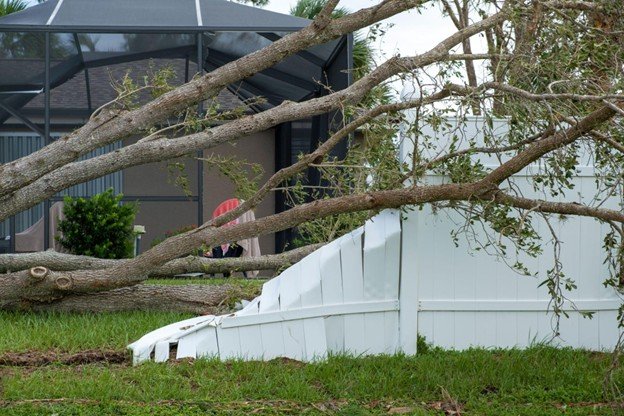
Summer pruning is generally reserved for Storm Damage Cleanup. If a limb is dead or hanging over your roof, don’t wait for winter, safety always takes priority. However, heavy structural pruning in July can lead to “Sunscald” on the newly exposed inner bark.
Fall: The “No-Prune” Window
In our experience, fall is the worst time to prune in Northeast Ohio. Fungal spores are at their peak concentration in the autumn air, and pruning stimulates new growth that won’t have time to “harden off” before the first Fairlawn frost. This results in “Tip Dieback,” which can lead to expensive Tree Removal needs later on.
Species-Specific Timing for Ohio Favorites
To provide true “Experience-Based Quality,” we must look at the specific entities in your yard:
| Tree Species | Best Pruning Window | Reason |
| Oaks | Nov 1 – Mar 15 | Strictly winter only to prevent the spread of Oak Wilt. |
| Maples/Birches | Late Winter | These are “bleeders” (heavy sap flow); winter reduces the mess. |
| Fruit Trees | February | Encourages larger fruit and prevents disease. |
| Evergreens | Early Spring | Prune just before new growth starts for a denser look. |
If you have an Oak that needs attention, please visit our Tree Removal in Fairlawn page if it has already succumbed to disease, or schedule a winter trim to prevent it.
The Financial Benefit of Winter Pruning
Beyond tree health, there is a logistical “Information Gain” to winter service.
- Frozen Ground: Heavy equipment like bucket trucks can move across your lawn without leaving ruts or causing soil compaction.
- Easier Cleanup: Brittle, leaf-less branches are easier to chip and haul, often resulting in a faster, more efficient Storm Damage Cleanup in Fairlawn if we are clearing out old deadwood.
- Landscape Protection: Your perennial gardens and flower beds are dormant and tucked away under the snow, meaning our crews are less likely to disturb your prized hostas or hydrangeas.
Frequently Asked Questions
Can I prune my trees in the summer if they look “messy”?
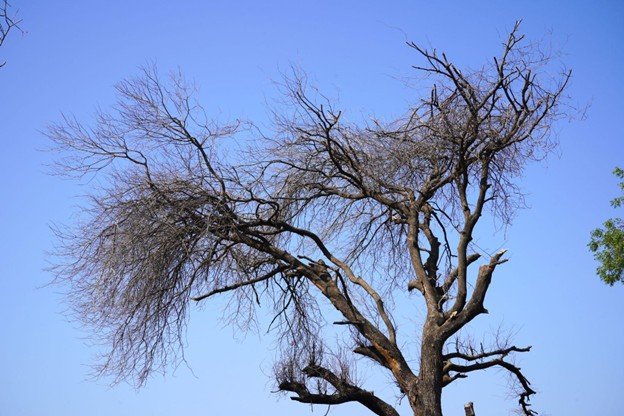
Light “aesthetic” thinning is usually fine, but never remove more than 10-15% of the leaf surface in the summer. If the tree looks dangerous, check our guide on How to Tell When a Tree Is About to Fail in Fairlawn.
What happens if I prune an Oak in June?
You risk attracting the nitidulid beetle, which carries the Oak Wilt fungus. In many parts of Northeast Ohio, this can lead to the death of the tree within a single season.
Do stumps need to be removed in the winter?
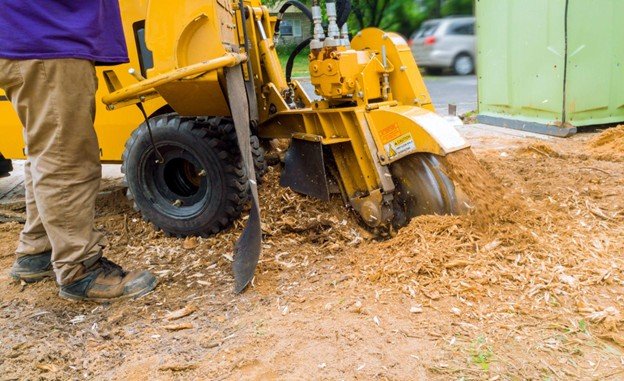
Yes! Stump grinding in Fairlawn is actually very effective in the winter because the frozen ground provides a stable platform for the grinder. Compare your options here: Stump Grinding vs Stump Removal.
Schedule Your Northeast Ohio Tree Audit
At Fairlawn Tree Service, we help you navigate the complexities of the Ohio seasons. Whether you need Emergency Tree Service in Fairlawn or a long-term maintenance plan, our team uses the latest arboricultural data to ensure your property remains safe and beautiful year-round.
Angle of Approach: Seasonality-based expert guidance with a focus on disease prevention.
Entities Included: Dormancy, Oak Wilt, Compartmentalization, Sunscald, Sap Flow, Hardening Off, Tip Dieback.