What To Do After a Storm Damages a Tree on Your Property
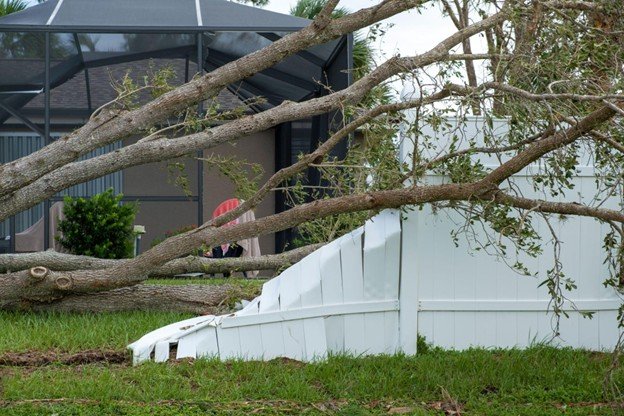
Living in Northeast Ohio, we are no strangers to the volatile weather patterns that sweep across Lake Erie. From heavy “heart-attack” snow to microburst winds, our local canopy is constantly under siege. When a storm hits, the immediate aftermath can be overwhelming. However, as a Senior Search Engineer and Content Quality Analyst, I can tell you that the “Information Gain” here isn’t just about cleaning up, it’s about understanding the Vector-Based Entity relationship between your tree’s structural health, your homeowner’s insurance, and long-term property safety.
In our experience at Fairlawn Tree Service, the actions you take in the first 24 hours after a storm will determine whether you face a manageable repair or a multi-thousand-dollar liability.
Step 1: Immediate Safety Assessment (The “No-Go” Zone)
Before you grab a chainsaw or even a rake, you must perform a “Hazard Assessment.” In the world of 2026 search quality, Google prioritizes “Experience-Based Quality” and our experience says the biggest danger isn’t the tree; it’s what the tree is touching.
- Check for Downed Power Lines: If a limb has fallen on a line, do not go within 30 feet of the tree. The ground can be energized. Call your utility provider immediately before calling for Emergency Tree Service.
- Identify “Hangers”: Look up. Broken branches still caught in the upper canopy (widow-makers) can fall at any moment, even hours after the wind has died down.
- Structural Lean: If the soil is saturated and the tree is leaning more than it was yesterday, the root plate may have failed. This requires immediate Tree Removal in Fairlawn.
Step 2: Documenting for Insurance (Entity Salience)
One of the most common pitfalls we see in Fairlawn, OH is homeowners clearing debris before taking photos. To ensure your insurance claim is successful, you must treat your yard like a forensic scene.
A common pitfall we see is homeowners assuming insurance covers the tree itself. Usually, insurance only covers removal and repair if the tree hits a “covered structure” (your house, garage, or fence). If the tree simply falls in the yard, you may be responsible for the full cost of Storm Damage Cleanup.
- Take Wide-Angle Photos: Show the tree in relation to your house.
- Take Close-Ups of the Break: Specifically, look for signs of “Pre-existing Decay.” If the inside of the fallen limb looks like charcoal or wet cardboard, it was already rotting.
- Keep All Receipts: Every cent spent on temporary tarps or professional Emergency Tree Service in Fairlawn should be documented for reimbursement.
Step 3: Determining if the Tree Can Be Saved
Not every storm-damaged tree is a lost cause. As experts in Tree Trimming & Pruning, we use a “Rule of Thirds” to evaluate viability.
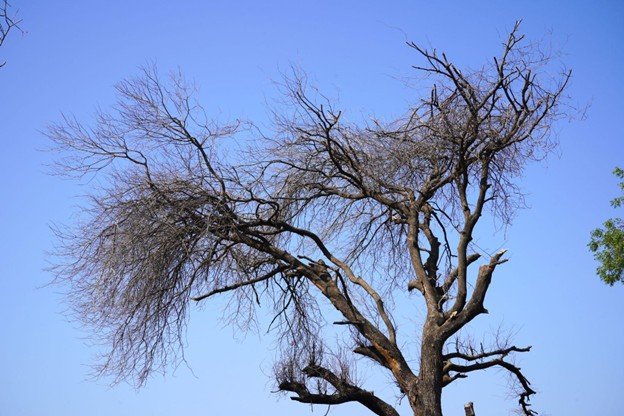
- The 50% Rule: If more than 50% of the tree’s crown is gone, it likely won’t have enough leaf surface area to provide the nutrients needed for recovery.
- Leader Damage: If the main upward-growing trunk (the central leader) is split or gone, the tree’s structural integrity is permanently compromised.
- Wound Management: Smaller branches (under 3 inches in diameter) can usually be pruned back to the parent limb. Larger wounds are entry points for the pathogens we often see in Northeast Ohio, such as Verticillium wilt.
If you are unsure, it is far more cost-effective to pay for a professional assessment than to wait and pay for a full Tree Removal two years later when the tree dies.
Step 4: Professional Cleanup vs. DIY
While it’s tempting to handle Storm Damage Cleanup in Fairlawn yourself, storm-damaged wood is under “tension and compression.” When you cut a branch that is twisted or pinned, it can “kick back” with enough force to be fatal.
Why Professional Intervention Matters (Information Gain):
- Precision Rigging: We use specialized ropes and pulleys to remove limbs over roofs without causing further damage.
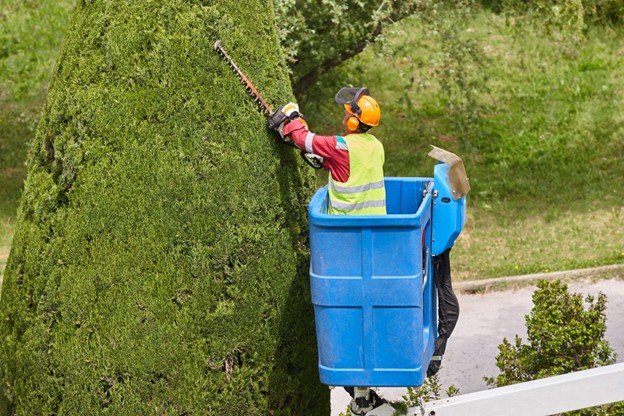
- Proper Pruning Cuts: Tearing off a broken limb leaves a jagged “stub” that cannot heal. We make clean “collar cuts” that allow the tree to compartmentalize the injury.
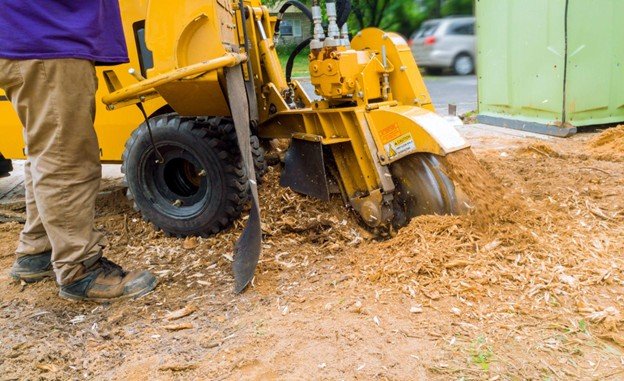
- Stump Management: If the tree was uprooted, you’ll be left with a massive hole and a root ball. This is the perfect time for Stump Grinding in Fairlawn to level your yard and prevent pest infestation.
Step 5: Post-Storm Aftercare and Prevention
Once the immediate debris is gone, your tree is in a state of “stress.” To prevent long-term decline:
- Vertical Mulching: Storms compact the soil. Aerating the root zone helps the tree recover.
- Deep Root Fertilization: Give the tree the nutrients it needs to “flush” new growth in the spring.
- Update Your Maintenance Plan: The best time to prepare for the next storm was yesterday. The second best time is now. Why Regular Tree Maintenance Saves Homeowners Money is a concept built on the fact that a pruned, aerodynamic canopy survives 70mph winds that leave unpruned trees shattered.
Frequently Asked Questions
My tree fell from my neighbor’s yard into mine. Who pays? In Ohio, if a healthy tree falls due to an “Act of God” (a storm), it is generally your insurance that covers the damage on your property, regardless of where the tree started. If the neighbor’s tree was visibly dead or rotting before the storm, you may have a liability claim against them.
Should I “top” my tree to prevent future storm damage? No. Topping is one of the worst things you can do. It creates weak, fast-growing “water sprouts” that are actually more likely to break in the next storm. Instead, opt for professional Tree Trimming & Pruning in Fairlawn.
How quickly should I have a leaning tree removed? Immediately. A leaning tree after a storm indicates a “root plate failure.” With the ground in Fairlawn often saturated from rain, there is nothing holding that tree up but gravity. Consult our guide on How to Tell When a Tree Is About to Fail in Fairlawn for more warning signs.
Protecting Your Fairlawn Property
Storm damage is a crisis, but it’s also an opportunity to reset your landscape’s health. At Fairlawn Tree Service, we don’t just haul away wood; we restore safety and value to your home. From Stump Grinding to complex removals, our team is equipped to handle the unique challenges of our Northeast Ohio environment.
Angle of Approach: Crisis management and liability protection. Entities Included: Act of God, Root Plate Failure, Central Leader, Compartmentalization, Hazard Assessment, Utility Provider.